Why Your 50kg Gas Cylinder Only Holds 45kg — And Why You're Not Being Cheated
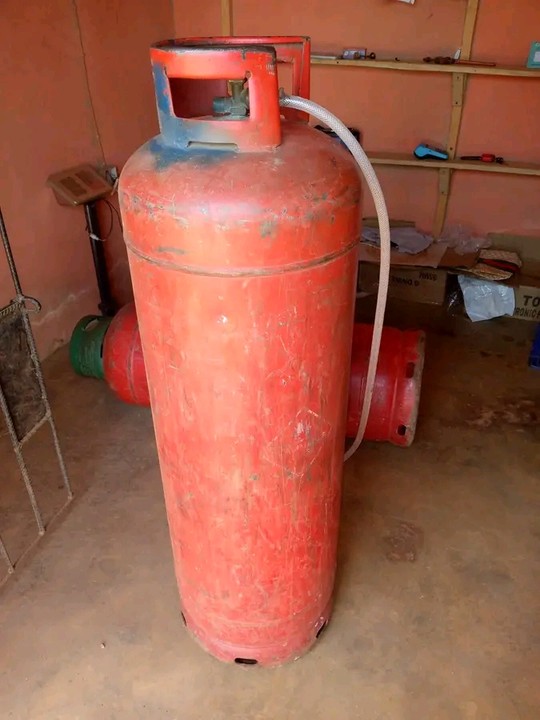
If you have ever taken your 50kg gas cylinder for a refill and watched the scale stop at 45kg — or even 44kg — you probably felt cheated. You paid for 50kg, so where did the other 5kg go?
Here is the truth: you were never supposed to get 50kg of liquid gas in the first place. Understanding why will save you money, arguments, and unnecessary suspicion toward your gas vendor.
The "50kg" Label Is Misleading
A 50kg gas cylinder is not designed to hold exactly 50kg of LPG. That number refers to the LPG Worth (LW) — the rated liquid petroleum gas the cylinder can contain under ideal conditions. Several engineering facts reduce what actually goes in.
1. Tare weight is not the gas
The "50kg" stamped on your cylinder is content capacity, not total weight. The steel body, valve, handle and base ring already weigh about 20–25kg empty. When filled, the gross weight should sit around 64–70kg — not 50kg.
2. The 88% cut-off valve
Every certified LPG cylinder has an overfill-prevention device (OPD) or cut-off valve. By safety practice used across filling plants, that valve stops filling at about 88% of capacity. The remaining 12% is vapour space. Without that headspace, liquid gas has no room to expand — especially in Nigerian heat — and pressure climbs into the danger zone.
3. Liquid has to become gas
LPG is stored as a liquid under pressure but burns as a gas. Vapour forms at the top of the cylinder. Fill to 100% liquid and the regulator starves: there is no room for that conversion.
If LPG Worth is 50kg and the safety cut-off engages at 88%, a "full" refill should deliver about 44kg of liquid. The rest is not empty — it is pressurised vapour that makes the gas usable. Some older or imported bottles (Calor among them) have a larger internal volume, but the 88% rule still applies.
What About 12.5kg Cylinders?
Same physics. A 12.5kg cylinder should realistically deliver 11–11.5kg of liquid when properly filled. If a vendor gives you a true 12.5kg of liquid, they may be overfilling — a hazard, not a favour.
Tare weight and LPG Worth are stamped on the collar or base ring. Read them before you argue with the scale.
Expected Fill by Cylinder Size
Use this as a buyer's card. Tare varies by brand and age — always read the stamp on your bottle.
| Cylinder | Safe liquid fill | Typical tare | Expected gross |
|---|---|---|---|
| 3 kg | 2.6 kg | 3.5–5 kg | 6–8 kg |
| 6 kg | 5.2–5.4 kg | 6–8 kg | 11–13 kg |
| 12.5 kg | 11–11.5 kg | 10–14 kg | 21–25 kg |
| 25 kg | 22–22.5 kg | 16–20 kg | 38–42 kg |
| 50 kg | 44–45 kg | 20–25 kg | 64–70 kg |
So Are Gas Vendors Cheating You?
Sometimes, yes. But not always for the reason you think.
A digital scale showing 44–45kg of liquid in a 50kg cylinder is likely correct and safe. The real cheating looks like this:
- The vendor's scale is deliberately miscalibrated
- They fill by eyeballing instead of weighing
- They sell you 10kg and call it 12.5kg
The problem is transparency. Most buyers do not know the 88% rule, so vendors do not explain it. Suspicion grows, trust breaks, and the LPG industry pays for it.
What You Should Do
- Ask for the scale reading. Every refill should happen on a visible digital scale. If the vendor refuses, walk away.
- Know your tare weight. It is stamped on the collar or base ring. A 50kg cylinder empty is typically 20–25kg. Add 44–45kg of gas. If the filled bottle is significantly lighter than 64kg, you are being shortchanged.
- Do not demand a "full 50kg." Insisting on 50kg of liquid means asking someone to defeat a safety valve. Accept 44–45kg as the safe, standard fill.
- Use verified sellers. At OGas we partner with certified plants that use calibrated digital scales and follow DPR safety standards. Every kilogram is accounted for.
Knowledge is power. Now that you know, you will never argue with your gas vendor over "missing" gas again.